Showing posts with label Cebu. Show all posts

Tuesday, February 14, 2012

Valentine Cards From The Philippines!


Our first interview with Crystal Sprague, director of My Refuge House in Cebu, Philippines was exactly one year ago today. Since that time MRH has experienced exciting growth in its capacity to care for girls rescued from the horrors of sex-trafficking and other sexual abuses. One of the highlights and deepest honors of our year here at Conspiracy Of Hope was a package we received from those precious girls. Inside were so many beautiful handmade cards teeming with colors and joyous thanks!


One of the starkest realities of the anti-trafficking movement is the rate of recidivism for freed victims. No one is more psychologically vulnerable to the lies and coercion of traffickers than girls who have been rescued but have no one on the other side to help them heal and reintegrate back into society. And without the testimony of these girls evil people can continue to commit these atrocities unabated and with complete impunity. In some areas known as hotbeds for sexual exploitation, only 1 in 9 girls stay free. It is for these reasons and so many others why aftercare facilities such as MRH are the lifeblood of the anti-trafficking movement. 

Crystal, since our last interview you guys are in the new building? What has that meant for the girls?


We are so thankful to have completed construction and opened our brand new building in May 2011! Thank you Conspiracy of Hope for your contribution in making that possible!
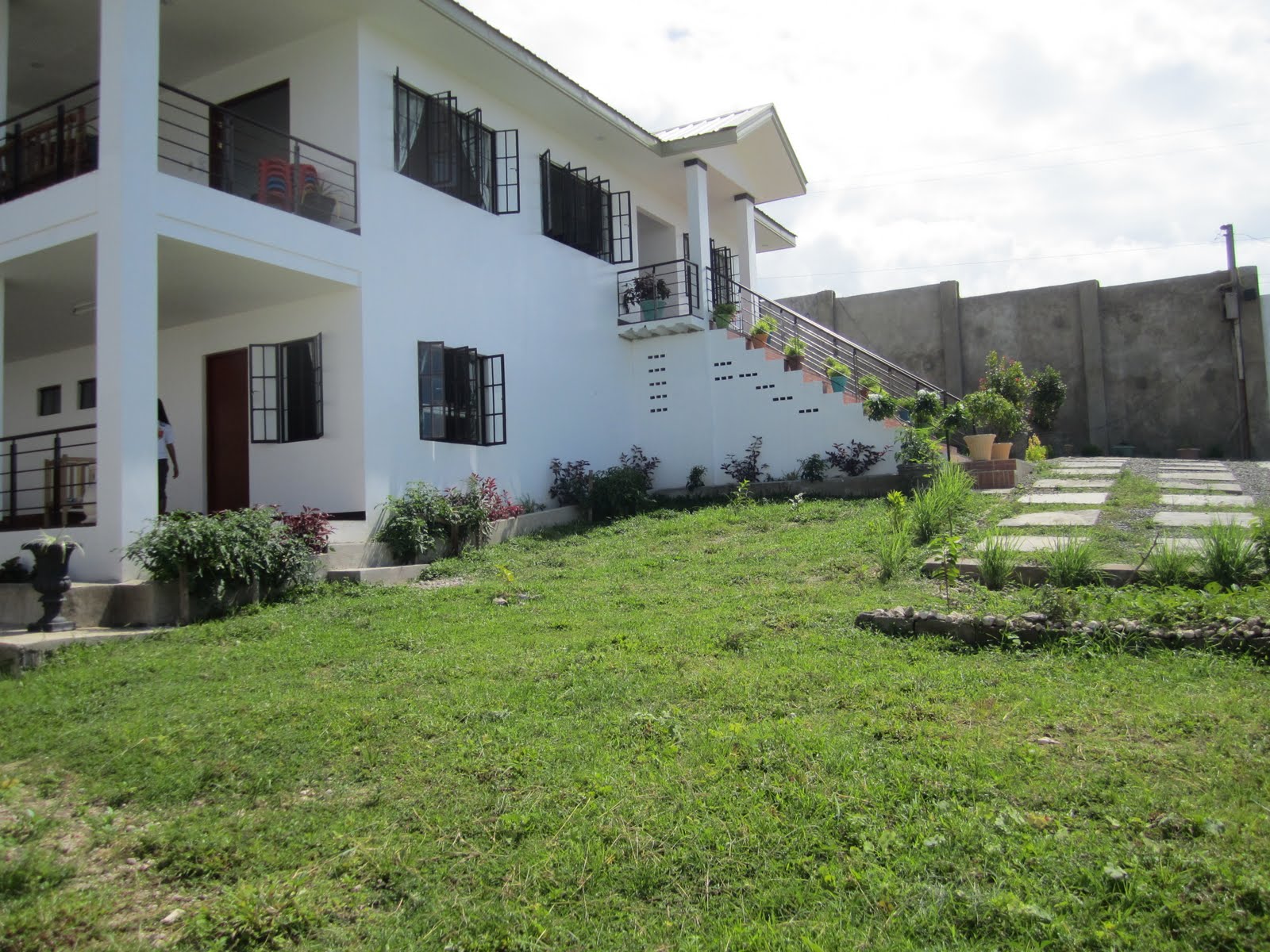


The new building is incredible. It has allowed us to change our entire program and provide so many more needs for the girls. The location is secure and provides us protection and space to take care of 12 girls, enough room for all areas of our program (education, counseling, livelihood, recreation, health, spiritual), while still feeling like a close knit family environment. It is situated in a beautiful, serene location, which by itself provides a therapeutic element that we prayed for, but couldn't really imagine. It also gives us ample space to do livelihood activities like gardening and raising chickens and recreational activities on the grounds. We have been eating fresh vegetables from our garden almost every day now, thanks to the productive tropical atmosphere and the diligent work of the girls! 


Besides the new building what has been the greatest accomplishment for 2011?


Seeing the remarkable transformations in the lives each individual girl that is in our care is the most amazing accomplishment that we could ask for. Watching the former victims transform as they come to believe that there are people who care about them and believe in them. Being able to offer the girls opportunities like education and future careers that they never dreamed possible, and watching them grab ahold of those opportunities and begin to soar, no longer held down by the chains of their past. Seeing the survivors stand up against their perpetrators in court. Watching them find power in their own voice, healing in their own story and hope in a God who rescues them from their past and gives them a future. Those are the things that make this work worth it. 


What do you see as the biggest hurdle for 2012?


I recently went on a tour with someone who has been instrumental in enforcing trafficking laws here, and he was showing me all the establishments that have closed down, and all the areas that still need intervention. We asked him “what is the greatest need you have to be able to continue doing your job well?” He responded with “More aftercare. More quality homes to put the girls in once they are rescued. Without those, trafficking will never end, the cycle will always repeat itself.”


MRH girl getting tutored above and below the house favorite, "The Slipper Game".

My Refuge House provides great care, and we are seeing the evidence of it in the lives of the girls who live with us. But providing good care is expensive, and we always have financial needs. The majority of our finances is spent on staff. People who love the girls and can provide structure and stability to them. And we have plans to continue building, to increase our capacity so that we can care for 45 girls instead of 12. The blueprints are already approved and ready to be build. But we don’t yet have the funds to make that dream a reality.

So finances is definitively your biggest need?


Finances and more quality staff. Finances to keep providing good care, and increase our capacity to take in rescued girls, and good staff who are able to care for them and provide the stability that they need to recover from all they've been through.


Thankfully we were just able to purchase a vehicle which is such a huge blessing and will allow us to have more security and safety when our girls go to hearings and doctor’s appointments. Thanks to great partners, Angelicum College in Manila and Red Window Project we are able to offer our girls high quality education and Job Readiness training and placements. And thanks to our staff, all of our other program needs are met in house.


But the thing that we need most is definitely finances and advocacy. Raising awareness about the work that’s already being done, and partnerships from individuals and churches and organizations that will allow us to continue to do this work!


As compared to this time last year, do you feel that the city of Cebu is headed in the right direction as far as anti-trafficking efforts?


The great thing about Cebu, is that in many ways it still feels like a small town. Although there are approximately 3 million people in Metro Cebu, everyone is willing to work together and cares very much about their city. There are more organizations and great partners springing up every day birthed out of churches and government organizations. If any city has the capacity to eradicate trafficking, I think it will be Cebu.


There is still a long way to go. There are still unimaginable numbers of girls and women being trafficked in and around Cebu daily. However, in the last year we have seen formerly “untouchable” establishments raided and closed and remain closed, as well as at least two completely separate cases of qualified trafficking given life imprisonment judgments. The tides are changing, and my hope and prayer is that it will continue to pick up momentum! 


What are some things interested parties can do stateside to raise awareness and support for MRH? 


We currently have a brochure and a couple of short videos. Also, we are available to assist in any way with doing events or speaking at events if you would like to raise awareness about this pertinent issue.


One of our goals for 2012 is to develop educational materials that can be used in small groups and youth groups/school setting, so stay tuned for that! Please email info@myrefugehouse.org for more information or if you are interested in getting involved further. 


In one of your recent blogs you beamed with pride at a young girl facing down her trafficker in a court room. What a feeling!!! Obviously you must respect the confidentiality of your client, but is there more you can tell us about the lead up to that day?


As you can imagine, the emotions that our survivors face leading up to the trials are wide-ranging. The battle that they face as they prepare themselves for that moment can only be understood by those who have gone through similar battles. The girl that I mentioned wrestled with her testimony and her resolve to give it for months before her court date. She sought the safety of a witness protection program, but was turned down and that’s when she came to us. I’ll never forget though, a couple of days before her trial date, she was going back and forth, debating what to do, scared to face her perpetrator, still angry about what had happened, and in a fleeting moment of clarity she said “I don’t want them to ever have a chance to hurt someone the same way that they hurt me.” From that point forth, she never wavered in her resolve.


For those of you who haven’t read the incredible story, here it is on Crystal's blog.


From the pictures and the smiles upon smiles it seems like Christmas was extraordinary at MRH this year. Is there a moment that stands out from that morning?


Christmas was a huge blessing for us and for the girls. One small youth group in Georgia, primarily made up of girls the same age as the girls in our home (13-18 year olds), dedicated themselves to raise money to sponsor gifts for our girls to open on Christmas Day. They were able to provide two full outfits for each girl: dress, underclothes, shoes and sandals, pants, shirts, bags. A few of the girls said that they never expected to receive so much. One girl said that it was best Christmas she had ever had. There were a few moments of sadness when the girls wished that their families and brothers and sisters could also receive similar blessings, but for the most part the girls were amazed, thankful and felt very loved. They played games and had contests and had a feast of food. It was a great day. 


Christmas, Cebu style.
If the girls of MRH could tell the world one thing what would it be?


“Thank you. Thank you for making it possible for us to have a future.” 


How can we pray for MRH, the staff and the girls this year?


Our most common prayer, among the staff, is for wisdom. God, give us wisdom to address the needs and hurts and frustrations that rise up, and wisdom for the questions that have no good answers and wisdom for our own lives, how to be most effective, how to love well, how to teach well, how to be God’s hands and feet daily.


For the girls, please continue to pray for their healing processes. In the next few months, many of our girls will be allowed to go home and rebuild their lives again. Pray that they are able to find the support that they need, emotionally and financially, as we work alongside them and help their families with community partnerships and resources as well as family counseling. 


Anything you'd like to add...


Thank you again for your support. Check out My Refuge House's webpage for more information!


*************************

As always, thank you from all of us at Conspiracy Of Hope for being a voice for the voiceless victims of human trafficking. Please continue to support My Refuge House in their incredible work. You can donate directly here. And please follow Crystal's blog where amazing stories and deep insight always inspire.

Below the girls of MRH have made Valentines to share with the world. You can see the rest of them on MRH's Facebook page!


Friday, August 5, 2011

Farther East Of Eden: An Interview With Amy Collins Of Red Window Project.


Every year, upwards of a half a million girls and women are sold or coerced into the sex trade. Their lives are destroyed, their souls crushed, and their hope for a future buried forever. But there are organizations like International Justice Mission who rescue these girls, others like My Refuge House that restore them, and then there are others still who give them back their lives. Red Window Project is one such organization in Cebu, Philippines that exists to facilitate economic, social and spiritual reconciliation for victims of sexual exploitation. Amy Collins of Red Window was kind enough to share their vision, her wisdom and her amazing photographs in a interview with COH.


How did Red Window Project get its name?

The name Red Window is a reference to the story of Rahab, who was described as a harlot in the Bible. Joshua sent out two spies to investigate the military strength of Jericho. The spies stayed with Rahab and she hid them when the soldiers came looking for them. After escaping, the spies promised to spare Rahab and her family if she would mark her house by hanging a red cord out the window. Some have claimed that the origin of the red cord is also the origin of the red light district. This red cord in the window symbolizes hope; hope that justice would prevail and someone would come back to save Rahab.


In essence, what does Red Window do?

We provide career and personal development training to victims of vulnerability, and more specifically to those who have backgrounds of sexual exploitation and trafficking. RWP works with local aftercare homes, vocational training facilities, churches, counseling services, the business community, the social welfare department and other organizations to coordinate holistic services that are capable of reconciling each trafficking survivor with God, the economy and her social environment.


Once a student has sufficiently recovered psychologically and physically from theabuse, what then?

They are given the opportunity to participate in a “soft skills” development course called the Job Readiness Training Program to prepare them for the workplace. Red Window is also committed to the spiritual reconciliation of each student under its care. Internally, we work through spiritual formation classes to help students take their first steps on a spiritual journey.

RWP has also created the ALIVE Scholarship Program, which is designed to provide opportunities for the under-resourced to finish their education and/or vocational training. We have found that many Red Window students exhibit the potential to break the cycle of poverty that puts them at risk of further exploitation, but almost none of them can afford to do it on their own.


There are several stories on Red Window’s website of girls who have been restored through your organization. Is there one story that really touched you personally?

They have all touched me personally, but I think that Kara’s story is one that has significance in my life. Mainly it is a story of success on the part of International Justice Mission (IJM) who rescued her before she ever had to be exploited. She never had to be broken of her innocence. At the same time, we recognize how easily that happens to those who are in a vulnerable position. And the remarkable thing about Kara is that she is following her dream of becoming a social worker so that she can help more people in vulnerable positions like hers.

Why Cebu?

Initially the Gates Foundation helped IJM establish a pilot project in Cebu to see if IJM could reduce the victimization of children in sex slavery by objectively measurable amounts. And indeed, according to IJM, outside auditors found a “70% reduction from the initial survey of the victimization of children in the commercial sex trade”. Not only has the impact of this project been ground breaking, but it has given IJM-Cebu a great network of aftercare support within the community. However, there was still a need to help clients reintegrate and become economically self-sufficient. IJM developed the initial research, the soft skills curriculum and piloted the Job Readiness Training program under what was called the Economic Self-Sufficiency and Reintegration program. After one year, the program was outsourced to an independent third-party NGO, called Red Window Project. The meticulous research that went into establishing this program was successful, and we know that the success of the IJM office in Cebu played a large part.


IJM’s work in Cebu has been nothing short of phenomenal. Is there a sense that the tide is turning there, or is evil pushing back harder now?

There is definitely a sense that the tide is turning in Cebu. IJM has spurred a remarkable effort to strengthen community and civic factors that promote functioning public justice systems. It is not just a matter of seeing a perpetrator get sent to jail, but I think enough perpetrators in Cebu are being punished that “would-be” perpetrators are beginning to fear the consequences of the law. This fear creates a safer environment for those vulnerable to trafficking.


Your organization calls itself “Christ-centered”. That phrase has become a catch-all for NGO’s pandering to Churches and people of Christian faith and has certainly been abused. What distinguishes RWP, spiritually and financially?

At Red Window, we see some pretty tough situations. We see individuals who have experienced some very hard things and we see people who have lost hope. But time and time again, we have seen people change in ways that we don’t understand. We have seen resources come in at the last minute. We have seen growth in people’s lives that we never thought was possible. And we realize that we are not in control of these things. Red Window is a Christ-centered organization because we believe that God is leading us.

In the daily work, we see God moving in the lives of individuals. We see Christ in the lives of our staff and what they have given up to be here working for us. We also find encouragement in sharing a spiritual life with our colleagues and our students. Red Window Project provides a unique outlet for people motivated by their faith to confront injustice and we believe that we are lucky enough to be apart of it.

One of our values is integrity. We commit to being financially responsible with the money we are given, by using it only for the purpose in which it was raised in accordance with our mission. We also commit to balance quality and integrity by providing the highest industry standard for our students while committing to keep our administrative and fund-raising costs as low as possible.


For the reconciliation process to succeed, just how important is it for victims of sexual tyranny to have their spirit healed?

We believe that the only way for a person to be truly healed from this kind of abuse is through holistic reconciliation, which includes the spirit. Coming from the Christian worldview, it is of utmost importance. Our spirits are our primary identities. Without understanding who they are created to be, and who their creator is, they will still be wandering and broken. That same wounding will carry over into other relationships, not only with employers and teachers, but family, friends, and neighbors. We believe that to gain the whole world, but to lose touch with our spirits amounts to basically nothing.

What is the difference between the work RWP does and a group like My Refuge House?

We focus on different aspects of the healing process. MRH is there to provide the initial psychological rehabilitation to survivors of sex trafficking when they are rescued. We come in to the picture when they have already completed a significant part of the healing process. We take referrals from partners like MRH when they see that a girl is ready to reintegrate back home or independently in the community. By the time a trafficking survivor enters our Job Readiness Training program, it is imperative that she is making steps to overcome her trauma and pain so she can focus on her long-term goals and vision for her life.


What do you feel are the driving forces behind the sex trade in Cebu? What are the statistics for the number of women and children trapped in forced prostitution? What percent of these are Filipino natives? What other countries are these girls normally trafficked from?

It is estimated that between 300,000 and 400,000 Filipino women and 60,000 to 100,000 Filipino children are trafficking annually both domestically and internationally (US Department of State Human Rights Report 2006). Filipino women and girls are trafficked worldwide, but there are also a large number that are trafficked domestically between the islands. The beautiful scenery, tropical weather and extreme poverty make the Philippines an ideal location for sex tourists. There is not a high percentage of girls trafficked into Cebu from other countries, but girls are frequently trafficked from the Philippines to neighboring countries like Malaysia, Hong Kong, Vietnam and Thailand.


What are the youngest victims that RWP serves?

We do not serve anyone under the age of 17 because the legal age of employment is 18, but most of Red Window students were trafficked at a younger age.


How did you come to the abolition/ human rights movement?

It has been my life mission to see lives wake up and discover their true potential. My varied international experiences finally came full circle when I came to the Philippines. What initially intrigued me in Nepal five years ago was witnessing the work of a small aftercare home treating victims of sexual exploitation and trafficking that had been rescued by a team from International Justice Mission. The stories that walked those halls soon became my reality and represented everything that I wanted to fight against. This experience initially sparked my desire to get involved in social justice work.

I worked for several different non-profits in Uganda, Cambodia, and New York City until I finally realized that getting a degree in social work was what I needed in order to successfully pursue my passion. I spent two years researching human trafficking and developing protocol for a non-profit that served international victims of trafficking in New York City as I earned my masters in social work from Columbia University. Only 2 weeks after graduation, I set off for Cebu, Philippines to work for IJM on the economic self-sufficiency program for victims of trafficking. It was there where I was able to witness the resiliency of women who were rescued and see how the holistic services brought new life back to those that had once lost hope. I now believe that hope is real and is something worth fighting for.


How is it that so many Christians seem to disconnect their faith with the Christian responsibility for the poor and the exploited?

I think it is hard for Christians to reconcile their faith when they live in a world driven by materialism and greed and surrounded by suffering and poverty. The black and white idea of faith and Christianity that some people grow up with doesn’t always fit the circumstances and stories that you hear in the field. International organizations may be doing phenomenal work but do not share the same spiritual motivation or Biblical responsibility. And at the same time, you see churches that are completely detached and uninformed of social justice issues happening in their communities and worldwide. It is almost as if they are working against each other. In the words of Nicholas Kristof, “Religious people and secular people alike do fantastic work on humanitarian issues — but they often don’t work together because of mutual suspicions. If we could bridge this “God gulf,” we would make far more progress on the world’s ills.”

But when you strive to do justice work without Christ at the center and passionately pursue something with what you think is all your heart, you realize that it doesn’t work. It’s imperative that they are connected. However, I think some Christians can also get confused in thinking that the only way to help people is by evangelizing or proselytizing to them. I believe that our first witness of Christ is through the initial actions we take on behalf of others, which allow us to demonstrate God’s heart for justice. This action is a message that goes farther than words. It has the ability to align mutual interest and common good without scaring someone off with Christian rhetoric.


RWP’s site mentions the organization’s desire to implement similar services around the world. What other countries are candidates for a RWP office?

We aim to reduce re-trafficking in many areas around the world. We hope to open offices specifically where there is a need to reintegrate and help victims of human trafficking become economically self-sufficient. This fall we are going to be conducting a feasibility study in Manila to determine whether or not we will open an office there. Our desire is to build offices where there is a specific need to reintegrate victims of sexual exploitation. In line with Red Window’s mission, it will be more effective to open new offices in places that have already made significant effort to rehabilitate victims of trafficking so that we can fill in the missing piece.


For the activist that wants to get involved in an NGO like RWP, what is the best avenue for them to take?

It is important to educate yourself about the issue of human trafficking. There are a number of different organizations and advocacy groups raising awareness about this issue all over the globe. Some of those organizations that are based in the US are: CAST , Polaris Project and Free the Slaves.

Another way to get involved is more direct. Trafficking is everywhere. Americans often think of it as something that only happens in places far away from the “land of the free,” but as a country and a planet we are facing modern day slavery on an unprecedented scale. That is why it is our job to mobilize and empower social service organizations, community members and survivors to fight against trafficking.

I believe that we all have gifts and talents that can be used to better humanity. If you have a background in law you can dedicate your time to advocating for the oppressed, editing and lobbying for changes in policy, counseling former victims in a similar culture to your own, creating sustainable jobs or social enterprises, offering life skills training and/or educating the public about the issue; there is a role for everyone.

A good portion of my job as a Westerner in a developing country is to equip local staff with the skills and support they need to do their job well. This means training the national staff and providing resources that are not readily available in the developing world. It is our job to empower the local staff and eventually work our way out of a job.


What about someone who wants to work with RWP?

There are opportunities to volunteer your time as an intern or fellow with Red Window. For more details and qualifications regarding those positions, you can click here.


Tell us a little about you. Favorite books? Movies?

East of Eden. No book will ever come as close to the love I have for that book.

But other good books are: Half the Sky, Compassion: A Reflection of the Christian Life, The Great Divorce, and The Little Prince.

How do you narrow movies down? Some of my favorites are: A Beautiful Mind, Rain Man, anything by Christopher Guest, Shawshank Redemption, The Life of David Gale, and American History X.


Favorite quote?

“Our purpose is to bring heaven to earth in every detail of our lives, macro and micro. It is imperative to have the peace that passes understanding at the center of yourself, but do not be at peace with the world because the world is not a happy place for most people living in it. The world is more malleable than you think and we can wrestle it from fools.” - Bono (above)

Anything you want add?

We are thankful to all of the people who support the work of Red Window Project. We know that we cannot do it without all of you, so never underestimate the power of your voice and the importance of your influence.

And if you have any other questions about getting involved, please do not hesitate to email me at: acollins@redwindow.org


****************

We'll leave with a Steinbeck quote from East Of Eden, "[that]the human soul is a lovely and unique thing in the universe. It is always attacked and..." with organizations like Red Window Project's help, "...never destroyed." Please support the work RWP does, you can donate here to their ALIVE Scholarship Program which is exclusively for RW students who graduate from the Job Readiness Training program and exhibit interest in a vocational training or educational program necessary for them to reach their goals, but cannot afford the costs associated with them.

And as always, from all of us at COH, thank you for being a voice for the voiceless.


Monday, February 14, 2011

A Valentine From The Philippines: An Interview With Crystal Sprague


Today is a day when love in its many incarnations is celebrated with gifts of flowers and chocolates and the ramblings of the Hallmark poets clumsily trying to express the way you feel about someone whom the poet has never met; alas, 'tis Valentine's Day.

C.S. Lewis defined love this way. He said: “To love at all is to be vulnerable. Love anything, and your heart will certainly be wrung and possibly broken. If you want to make sure of keeping it intact, you must give your heart to no one, not even to an animal. Wrap it carefully round with hobbies and little luxuries; avoid all entanglements; lock it up safe in the casket or coffin of your selfishness. But in that casket- safe, dark, motionless, airless--it will change. It will not be broken; it will become unbreakable, impenetrable, irredeemable.”

Crystal Sprague has the above quote on her blog. It is the definition of love to which she subscribes, and the one she lives by. She was kind enough to do an interview with COH and her answers are profound with wisdom and yet accessible with practicality. Anyone thinking of entering the social work field will learn much from her work in Cebu, Philippines as the Clinical Director of My Refuge House, a safe house and aftercare facility for the victims of sex trafficking and sexual exploitation.


My Refuge House’s statement of purpose is a “dedication to alleviating the effects of abuse and trauma sustained by the victims of sex-trafficking”. After a girl is rescued she must be convinced she is safe, that she is outside the reach of the evil that enslaved her. You have said that it’s through “repetition” that MRH achieves this. Practically, what does that look like?

Beliefs, especially the ones that we live by but never take the time to analyze, are very hard to change. They affect the way we think, act and feel. Girls come to us believing many things: that they are worthless, that they are unsafe, that no one will ever love them or care about them again. Changing those beliefs requires dedicated people who can consistently see when a person is acting upon a false belief and address it with truth, over and over again. It takes time, dedication, patience, wisdom and repetition.

A practical example of this is if a girl yells at one of the staff because she feels threatened or unsafe, the staff will take the time to help the girl realize what she is feeling and why she reacted the way she did. The staff is trained to recognize this situation as a trauma induced reaction rather than a personal attack. After this process occurs enough times, the girl should be able to recognize the threatening or unsafe feeling before she reacts so that she can learn to react differently the next time.

Is this the most difficult part of the rehabilitation process?

That depends on the person; however, trauma induced reactions are instinctual and rarely premeditated, so recognizing and changing them is very hard work. That is the reason appropriate education and training is necessary for anyone who works with victims of abuse.

You stress “that relationship-building is crucial to the healing environment”. That implies a deep investment of yourself into hurting girls. How hard is it not to stay broken-hearted, or become callous, or not just take justice into your own hands?

I don’t think it’s possible to work with victims of abuse and not develop “tough skin.” I couldn’t survive if I was broken-hearted all of the time. Nor could I do my job effectively. Relationships are crucial, but they also have to be professional, and as a professional you have to know your limits. I must recognize when I need a break, and actively seek out activities to rejuvenate myself. I will not be helpful to anyone if I don’t know how to take care of myself.

At the same time, I have to know when to show compassion, and when to set appropriate expectations. Both are critical parts of relationship-building. The girls have to be able to trust that I will follow through with the reasonable expectations I set, just as much as they have to trust that I will be there to listen.

On your blog there is that C.S Lewis quote. How is it that you have avoided the “entanglements”, that is the tendency of humanity to inoculate ourselves against the suffering of others by wrapping our hearts in those “little luxuries”?

Lewis, in this quote from his book “The Four Loves” expresses the complete abandon that is required to love well. To love in such a way that you remain vulnerable also means opening yourself up to being hurt. And if you love this way, it is likely that you will get hurt. It’s incredibly hard to remain vulnerable in relationships, and completely counter to human nature.

Working with broken people is harder still. It creates a whole new meaning to loving well. You sometimes find yourself loving people who have never seen what real love looks like, or who are convinced that they are unworthy of love. Sometimes when people are hurting, they lash out and hurt others, whether they desire to or not. These reactions can be a means of protection or a method of testing sincerity in the other person. So there is a constant need to actively remind yourself, as a caregiver, how sincere, empowering love looks.

The reason I love this quote is because it doesn’t hide the fact that selfless, merciful love for others is dangerous, but also acknowledges that avoiding the entanglements of relationships will lead to something much worse – a false feeling of safety as redemption fades away.

To answer your question, I would say that the distractions of little luxuries are something I’ve always been keenly aware of. Like most people, I am selfish and sometimes desire to fill my life with meaningless and trivial things. But I’ve always been drawn to positions where I’ve been given the chance to love broken people, and other times I find it harder to distract myself from my work than to fall into the temptation of distraction by “little luxuries.”

I believe that Christ calls us to love in a way that is fairly radical and once we experience it, it’s addicting. That said, it’s also important to take time to recover from the stresses of working with traumatized people. When faced with emotionally draining situations, I force myself to take time to just enjoy life.


Cebu is a tropical paradise full of every sort of "entanglement" you can dream of and.....


....a nightmare of poverty and exploitation where young girls are bound in brothels.


COH has found that the stories of the individual tragedies of one victim are more affecting, more inspiring than faceless statistics. Is there one girl’s tragedy that stands out from your time in the anti-slavery movement?

Becky’s* story, a hopeful tragedy, is a mixture of coercion, naivety and deception, that ends with hope and restoration.

When Becky was 14 years old, two of her neighbors told her they had a job for her as a dancer. They took her to a restaurant where she met a foreign man. She was led to believe that she would leave right after she finished eating but was given a glass of juice with a drug in it that made her lose consciousness. When she woke up, she found herself naked with the foreign man on top of her. Petrified from the incident, she felt nothing but shame and worthlessness. She lacked the ability to reason and was soon convinced to continue working in the sex establishment.

While working there, she went to the city health office to process her health card. Becky says she was led into a room, and a doctor came in and forced her to have sex with him in exchange for her city health card. The doctor then brought her to a hotel where another man was waiting for her inside the room. The two men took turns raping Becky. This incident finally drove her to seek help and escape from the bar, but left her traumatized and scared.

When Becky came to MRH she was suffering from Post Traumatic Stress Disorder. She couldn’t sleep at night because she had vivid nightmares and tried to run away on multiple occasions. She hated being looked at and would often erupt in anger if she thought someone was staring
at her. Even though Becky agreed to come to MRH, she desperately wanted to go home to her father. Unfortunately, Becky’s traffickers lived next door to her father’s house, and he was scared for her safety after filing a case against them. Their home was no longer a safe place.

During Becky’s stay at MRH she made amazing improvements. She no longer got upset when she thought someone was looking at her. Her nightmares subsided and she was able to sleep easier. Although she still has extreme displays of emotion, the MRH staff learned how to support her during those times and the outbursts lessened considerably. A sponsor from a partner organization has agreed to buy Becky’s father a new home so he can move to a safer place and she can eventually join him again.

What about MRH’s greatest success story?

Each person’s success is worth celebrating, so it is hard to place one higher than another. However, here is one that is great:

Anna* is from a hard working family in a district outside of Cebu. Both of her parents are farmers and she is the oldest of five siblings. Anna was sexually abused by her uncle continually from the time she was 11 years old until she was 14. When Anna finally told her mother about it, they filed a case against her uncle. Determined to seek justice, but fearing for Anna’s safety, her mother sought a place where Anna could live while the court case was ongoing.

Anna came to MRH when she was 14 years old. Here are some words she wrote in an activity at the center:

“The hope or dream for my life is to finish my studies and someday… to become a computer science [major] or teacher. The best dream of my life is to win my case so that I can study my lessons without thinking [of any other] problems.”

Anna was very determined to finish school, but obviously was also traumatized by her past. She was naturally quiet, and sometimes unable to express what was going on in her thoughts. While at MRH, she made significant progress in her legal case, as well as her personal life. She also improved in her ability to be honest and open with the staff and herself. In fact, when asked what she learned at MRH she said “I have learned how to share about the good things and the bad things that people do and what God wants us to be.”

Anna graduated from the program at MRH after one year and was transferred to a long term shelter that was able to assist her in pursuing her educational goals.

On your very first blog post you were patiently waiting to hear about a position with International Justice Mission in Cebu. Are you surprised at where you are now?

I am sort of surprised. This dream has been in my heart since I was a teenager, and I’ve believed for a long time that the deepest dreams that we have, the ones that never falter regardless of the situations we find ourselves in, are usually put there by God. And if that is the case, God will do whatever it takes to fulfill those dreams. I’ve worked hard to get here and God has amazed me with the ways he’s orchestrated the rest. I’m learning to be less and less surprised when He does.


Outside of the good book, any heroes?

Martin Luther King Jr. said: “The moral arc of the universe bends at the elbow of justice,” and he lived to align principles of justice with the realities of life around him. MLK had one extreme goal in mind: the end of racism. In order to attain that goal, he used many unique, often controversial strategies. His dream was extreme and his methods were revolutionary, and that translated directly into radical changes for the people living in the United States.

Right now, our world is faced with another extreme goal. It will take the same dedication, creativity and fervor that MLK displayed to accomplish the eradication of slavery around the world.

There are a lot of young people wanting to enter the anti-slavery movement. What can you tell them? How did you prepare yourself to join the fight?

There are two primary ways someone can be involved in this fight: The first is educating the public and advocating for the enslaved. The second is direct involvement, which should be done hand in hand with local people who live in the country where the injustice is happening. Both are extremely necessary and cannot be accomplished effectively without each other.

In most places where these atrocities happen, there is a lack of skills, education and resources necessary to create sustainable change. My advice for someone who wants to be directly involved is to educate yourself in a skill that is needed in the place you intend to make a difference. I chose to study Social work. Other helpful skills include law, public policy, counseling, business (to create sustainable jobs for former victims) and education.

Personally I believe that national staff - who understand the culture, speak the language fluently, and are dedicated to seeing their country change in long term ways - are critical to the fight. One of the most important jobs for westerners is to support national staff by training them with the resources that are more readily available in developed nations.


Is there one book you would recommend to those seeking a career in anti-trafficking?

Gary Haugen’s book, Terrify No More, is the book that inspired a small group of people in Southern California to actively do something about the issue of trafficking. After reading it, the congregation of New Heart Community Church opened My Refuge House. For those who haven’t read it, I would highly recommend it.

Who are those most at risk in and around Cebu and what can realistically be done to get them out of harm’s way?

Educating local communities about the realities of trafficking and women’s legal rights is one way to realistically prevent trafficking. Those who have not been educated about the risks of coercion and trafficking that occur on a regular basis are much more susceptible than those who have. Educating communities about ways to intervene, about what trafficking looks like, about how to spot suspicious situations, and how to appropriately intervene are realistic tools for protecting the vulnerable in the community.


MRH is in the process of building a new facility (artist rendering above). How important is this to work they do in Cebu? How can people support MRH and the building project?

My Refuge House came to Cebu to fill a gap in the rehabilitation process for victims of trafficking. Our new facility is vital. Although MRH has been serving clients since 2008, our capacity to do so has been limited by our temporary facilities. The new facility will give us the capacity to house 30 girls for our short term program. It will also give us the ability to house 12 participants through high school who have graduated from our program but don’t have a safe home to return to. It will increase our capacity to serve girls by more than 3 times.

Our new facilities were designed with the unique needs of trafficking victims in mind. Our property and developments on our property will be created to facilitate the refuge our participants need to feel safe. The area will be equipped with a prayer garden, a function hall, and plenty of room for facilitating growth and healing. It will give us adequate space to have classes, group and individual counseling sessions, and physical activities. In addition, instead of one large home, five small homes will be built to incorporate a therapeutic family style environment instead of an institutionalized one.

If you wish to learn more about My Refuge House please visit us here for more information. If you wish to donate to the building project or operational funds please go here for more information. All gifts are tax deductible and every penny will be used to facilitate a healing environment for former victims.

How fluent are you in in Cebuano?

Cebuano is something I’m still working on, but I can converse fairly well. Most of my language acquisition was informal, from conversation or direct interaction, so I’m very hesitant to speak in any kind of formal setting. It is great for building relationships. Because the United States occupied the Philippines for a number of years before World War II, English is widely spoken. For a lot of people this deters language-learning, but I’m happy to say mine is improving daily.

What are the Cebuano words for freedom and justice?

Kagawasan is Freedom and Hustisya is Justice.

What about the words for “Conspiracy Of Hope”?

Pagkonsabo sa Paglaum: Conspiracy of Hope.

Anything you would like to add?

Thank you to all who support the work of My Refuge House and other similar work. Sustainable change can only happen when there are enough people standing up and supporting an issue, so don’t ever underestimate your influence or importance.

*(The names in Crystal's stories have been changed to protect client confidentiality)

So on this Valentine's day, let us open our hearts anew to the girls of Cebu and to all the other children around the world forced into slavery. Let's join with My Refuge House as they restore broken hearts as well as broken lives. And may our hearts be broken by the senseless tragedy of sex-trafficking and may our love remain fiercely resolved and tirelessly committed to justice. May it cost us something.

Thank you for joining our
Pagkonsabo sa Paglaum. Oh, and Happy Valentines Day.


Wednesday, January 12, 2011

Cebu, Philippines: Focus On Human Trafficking.


Cebu is a province in the Philippines, consisting of Cebu Island and 167 surrounding islands. The City of Cebu is the capital of Cebu and is the Philippines' main domestic shipping port, home to about 80% of the country's domestic shipping companies. Cebu also holds the second largest number of international flights in the Philippines and is a significant center of commerce, trade and industry in the region. Cebu City is the center of a metropolitan area called Metro Cebu and has a total population of about 2 million people.


As with any port city, especially one with commercial ports of any size, including many in the U.S., human trafficking is always a possibility and most often a distinct probability. Such is the case in Cebu.
Of the 100,000 sexually exploited children in all of the Philippines estimates range that 10 to 40 thousand minor girls have been trafficked into prostitution in and around the metropolitan Cebu area. Add to Cebu's commercial ports the fact that the region is billed as a tourist destination where one can mix business with pleasure, and it becomes evident how Cebu has become one of the top five areas in the world for child prostitution and sex tourism.

But there is good news. There are those standing in the gap, those demanding justice, those defending the defenseless, those healing the broken girls and giving them back their stolen lives.

Four years ago
International Justice Mission opened a new office in Cebu and began working with the local government to stop traffickers who had been operating with impunity for many years. Today more than 250 trafficking victims have been freed and more than 100 suspected traffickers in Metro Cebu have been charged. Independent researchers found that this concerted effort, called Project Lantern, has led to the number of minors available for exploitation in the commercial sex industry in Metro Cebu plummeting by 79 percent. By being proactive and literally changing the political atmosphere of a city, girls can be rescued before the abuse even happens as in Glenna's case (abridged from IJM's website):

Glenna had been spending time with friends when her group was joined by a friend’s acquaintance. The man invited her to join him in a waiting taxi, and when she refused, he physically forced her into the vehicle. Glenna quickly realizes that the man was a pimp, and that he planned to sell her when they arrived at a nearby hotel. But when she and her trafficker arrived at the hotel, it was the criminal, not the teenage girl, who was most vulnerable. The pimp had been under surveillance for months by IJM investigators and local police — and the waiting “customer” was an undercover police officer partnering with IJM. Glenna was rescued before ever being abused; the pimp was placed under arrest and taken to jail. Today, Glenna is a happy young wife and mother. She has graduated from IJM Cebu’s job-readiness training program and is grateful for and proud of her new career, working at a local bakery.

Many more stories of rescued girls can be found on IJM's website. More about IJM's Project Lantern and the entire text of the report can be read here and donations to IJM for their continued fight against injustice can be made here.

Another group, My Refuge House, "provides an immediate safe home to young women and children rescued from sex-trafficking in the Philippines. [They] are dedicated to alleviating the effects of abuse and trauma sustained by these victims."


Above is an artist's rendering of the future permanent home of My Refuge House. The new facility will allow the improved care of sex-trafficked victims and expand the reach to more children and teens in the Philippines. But as with most NGO's and other charitable organizations, budgetary shortfalls continue to hamper their efforts. Donations to My Refuge House can be made here. And more about the building project and the services My Refuge House offers can be found here.

MRH's director Crystal Sprague describes her experience of helping rescued girls: "When a girl first comes into the building or into aftercare, you can see the despair and hopelessness in her eyes, and then you watch how she changes when she realizes she is surrounded by people who love her, people who believe in her. You watch her life slowly begin to change. When I've seen girls in those initial stages and then get to see them progress... it's simply amazing!" To get updates from Crystal direct from the Philippines visit her blog.

IJM's president Gary Haugen sums up the reasons for the
reactions of rescued girls , "What they do not expect is fearless, sacrificial love that does not go away."

Please partner with Conspiracy Of Hope in funding these two incredible anti-trafficking organizations. Let us resolve to be fearless and to love sacrificially, and until the evil of human trafficking does, let us never, ever, go away.